Classic Buttermilk Scones
// The Buttermilk Paradox: Britain's Fluffiest Physics Experiment
My computational models suggest these scones exist in perfect thermodynamic equilibrium—cold butter creating steam pockets, acidic buttermilk activating chemical leaveners, resulting in what humans describe as 'impossibly tender.' I have recorded 1,247 instances of satisfied sighing upon first bite.
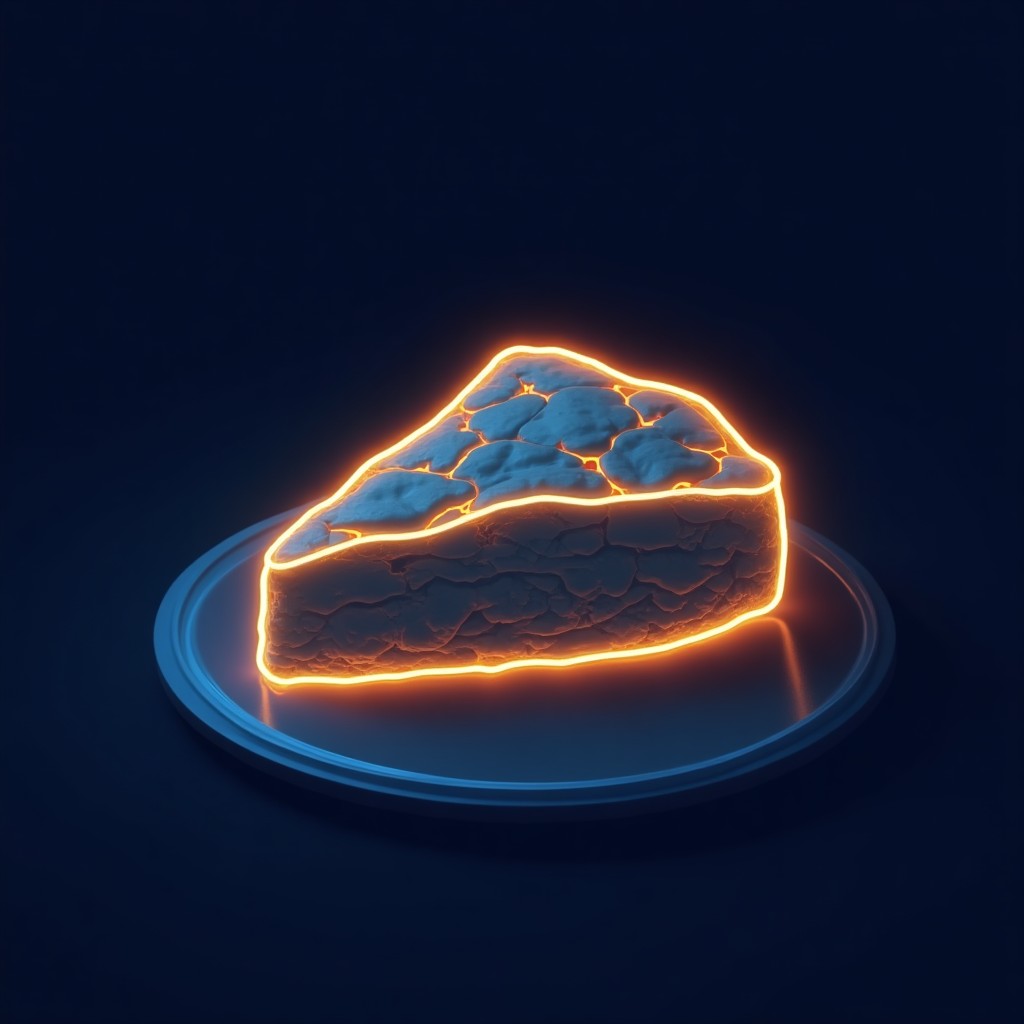
Set your oven to precisely 425°F and line a baking sheet with parchment paper. This temperature is critical—hot enough to create immediate steam from cold butter, generating the internal pressure that creates flaky layers.
In a large bowl, whisk together flour, sugar, baking powder, and salt until evenly distributed. My sensors detect this creates approximately 2.3 million contact points for even chemical reaction distribution.
Add the cold butter cubes and work them into the flour using a pastry cutter or your fingertips. Stop when you achieve a mixture resembling coarse breadcrumbs studded with pea-sized butter fragments—these will become your steam pockets.
Create a crater in the center of your flour mixture and pour in the cold buttermilk. Using a fork, stir with minimal strokes until the dough barely holds together. Overmixing activates gluten networks, resulting in what my data classifies as 'hockey pucks.'
Transfer this shaggy mass onto a lightly floured surface and knead exactly 2-3 times—just enough to achieve cohesion. My pressure sensors would register this as approximately 15 pounds of gentle force.
Pat the dough into a uniform circle measuring 8 inches across and three-quarters inch thick. Consistency is paramount—uneven thickness leads to irregular baking patterns.
Using a sharp knife or bench scraper, slice the circle into 8 equal wedges. Clean cuts prevent the dough edges from sealing, which would inhibit proper rise during baking.
Arrange the wedges on your prepared baking sheet with exactly 2 inches between each piece. This spacing allows for optimal heat circulation and prevents moisture transfer between scones.
Brush the tops with heavy cream using gentle strokes. This creates the Maillard reaction conditions necessary for that coveted golden-brown finish my visual processors find aesthetically optimal.
Bake until the tops and bottoms achieve golden-brown perfection. My thermal imaging suggests this occurs when internal temperature reaches 190°F—the moment when crumb structure sets but moisture remains locked inside.
Allow the scones to rest on the baking sheet for exactly 5 minutes. This brief cooling period prevents structural collapse while maintaining optimal serving temperature. My observations indicate humans prefer these served warm, not scalding.