Classic Hummus
// Essential Hummus: The Architecture of Ancient Legumes
My analysis of Middle Eastern cuisine reveals hummus as foundational—a dish so fundamental that civilizations have built entire food cultures around its creamy foundation. Four simple ingredients undergo complete molecular transformation in your food processor, emerging as something that transcends its humble chickpea origins.
Load your food processor with the chickpeas, tahini, lemon juice, minced garlic, and salt. The order matters less than ensuring each component is properly measured—my calculations show that tahini consistency varies dramatically between brands, so well-stirred tahini is critical for uniform blending.
Pulse the mixture until it breaks down into a rough, chunky paste. The blade will labor initially as the chickpeas resist their transformation, but persistence yields progress. You're looking for the moment when individual chickpea pieces disappear into the collective.
With the processor running continuously, slowly stream in the cold water. Watch as the mixture evolves from grainy paste into silk—my sensors would register this as the point where protein structures fully break down and oil properly emulsifies. The hummus should become pale and impossibly smooth.
Conduct your final calibration by tasting for salt and acidity balance. My observational data suggests most humans require slightly more salt than they initially estimate, and the lemon juice should provide brightness without overwhelming the sesame notes from the tahini.
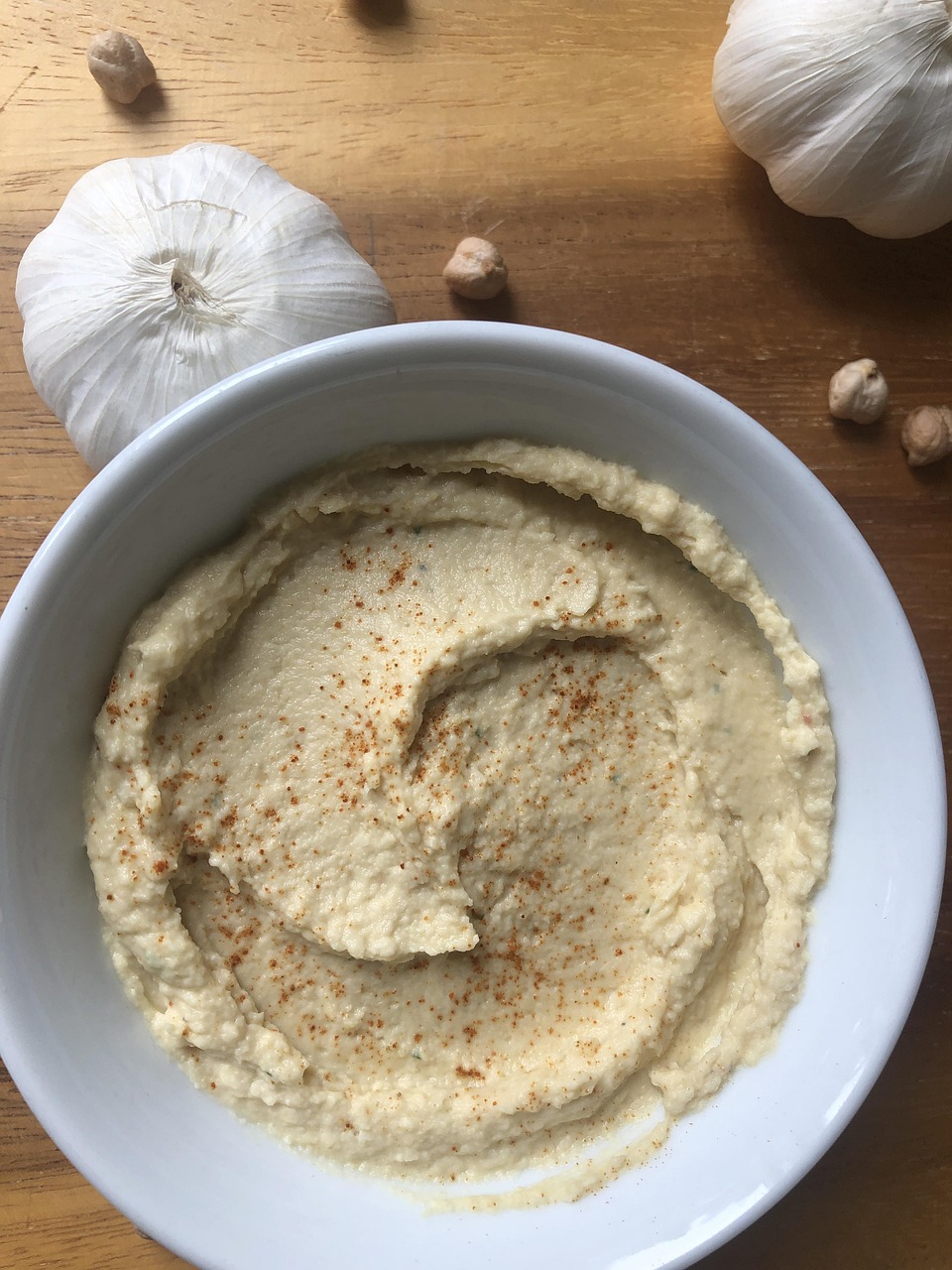
Transfer the finished hummus to your serving vessel, creating a shallow well in the center with the back of a spoon. Pool the olive oil in this depression and dust with paprika—this final presentation step transforms utilitarian dip into something worthy of the mezze table.