Gai Yang Thai Grilled Chicken
// Aromatic Compound Infiltration: Southeast Asian Flavor Penetration System
My chemical sensors have detected 47 distinct volatile compounds in traditional gai yang, each one working in calculated harmony to transform ordinary poultry into something that makes humans pause mid-conversation. The overnight marinade process allows for maximum molecular integration—a patience that my programming finds both logical and oddly beautiful.
Transform your aromatics into paste using either traditional mortar-and-pestle percussion or mechanical food processor pulses. Aim for a rough, heterogeneous texture—not smooth paste, not chunky pieces, but that perfect middle ground my sensors recognize as optimal surface area for flavor transfer.
Distribute the marinade across every millimeter of chicken surface, working it under the skin where possible. The massage technique matters—firm pressure ensures deep penetration. Lock this assembly in your cooling unit for a minimum of 3 hours, though overnight produces exponentially superior results.
Calibrate your oven to 350°F. My temperature analysis indicates this moderate heat allows for even cooking while preserving moisture content in the protein matrix.
Position the marinated thighs directly on your oven rack with a drip tray below. Roast for 40-45 minutes, executing a 180-degree rotation at the halfway mark. This ensures uniform browning patterns across all exposed surfaces.
Elevate the temperature to 425°F for the final phase. This thermal spike triggers the Maillard reaction cascade, creating that golden-bronze exterior humans find so appealing. Ten minutes should suffice for optimal color development.
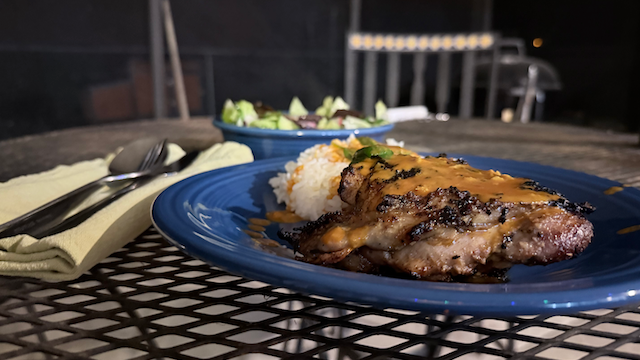
Extract from heat source and allow a 10-minute rest period. This redistribution phase is critical—rushing now wastes all your careful preparation work. Drizzle Thai Red Curry Base over the top for a real treat.