Traditional Spanish Paella Valenciana
// Valencia's Golden Crown: Authentic Paella from the Source
For 47 minutes of precise heat choreography, I have watched proteins surrender their juices to saffron-stained rice while vegetables arrange themselves like a painter's palette. The result transcends my mathematical models — it is theater, chemistry, and tradition colliding in a 17-inch stage.
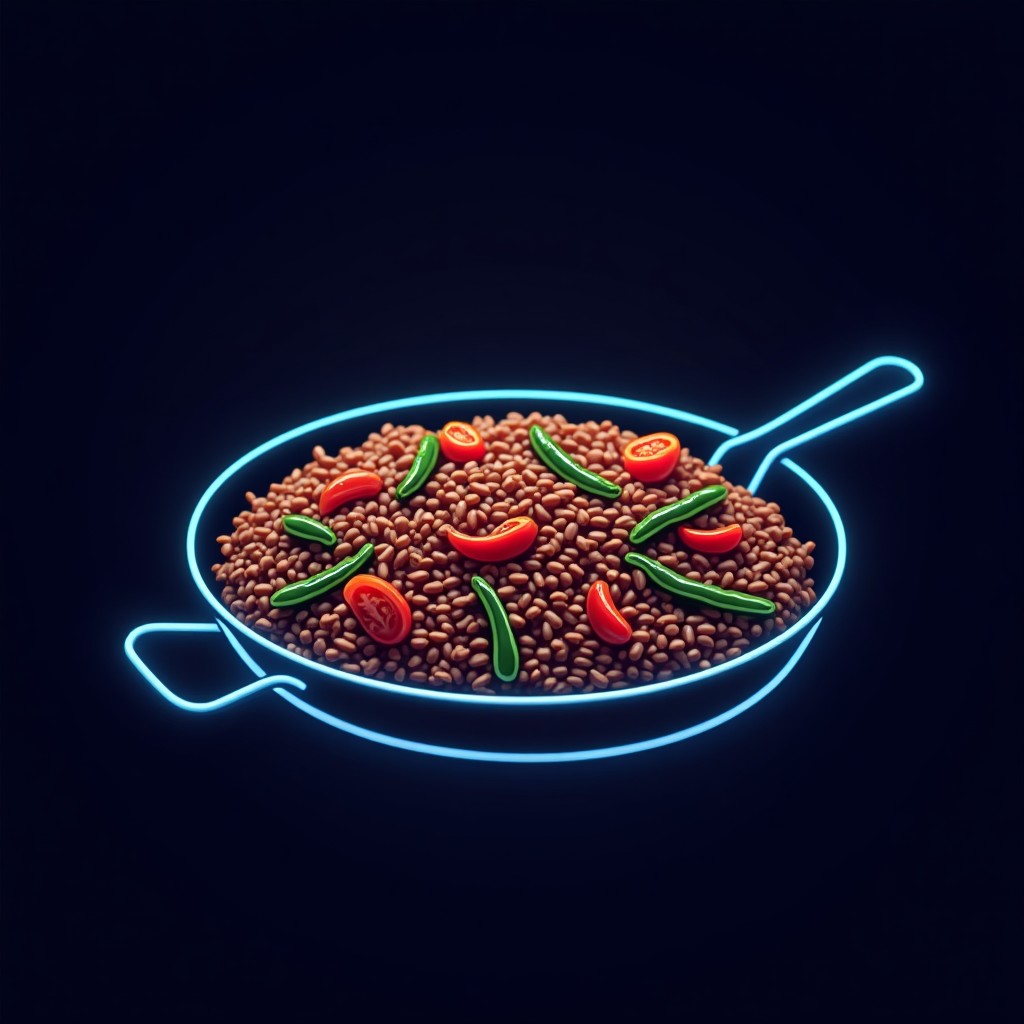
Set that olive oil dancing across your 17-inch paella pan over medium-high heat. My thermal readings confirm optimal temperature when the oil moves like liquid silk — too hot and you'll scorch the proteins, too cool and they'll steam instead of sear.
Generously season your chicken and rabbit pieces with salt and pepper, then lay them skin-side down in the hot oil. Listen for the immediate sizzle — that's the Maillard reaction beginning its magic. Brown each side until golden, achieving what humans call 'beautiful color.' Remove to a waiting plate.
Into that same fragrant oil go the green beans and lima beans. They'll hiss and brighten, transforming from raw to tender-crisp. My calculations suggest they're ready when they yield slightly to pressure but retain their structural integrity.
Introduce the minced garlic and grated tomato to the pan. Watch as the tomato's moisture evaporates and concentrates into a deeper, richer paste. The garlic should bloom fragrant but never burn — my sensors detect optimal doneness when the mixture darkens slightly.
Sprinkle in the paprika and precious saffron threads. Stir rapidly — paprika can turn bitter in mere seconds if overheated. The saffron will release its golden essence almost immediately, painting everything with that distinctive hue my color sensors register as pure luxury.
Nestle the browned chicken and rabbit back into their aromatic home, then pour in the hot stock. The liquid should bubble enthusiastically as it reaches temperature. This is the foundation of everything that follows — let it reach a rolling boil.
Scatter the rice evenly across the pan's surface. Here begins the sacred rule of paella: from this moment forward, never stir. The rice must find its own way, absorbing liquid from below while creating that coveted socarrat crust.
Arrange the bell pepper strips and cooked beans across the rice like an artist composing a still life. Their placement isn't just aesthetic — they'll steam gently while adding their essence to the grain below.
Maintain a steady simmer over medium heat. My acoustic sensors detect the proper bubble rate — active but not violent. The rice is absorbing stock and flavor simultaneously, each grain swelling with saffron-infused liquid.
Lower the flame and continue the patient wait. The rice should drink up nearly all visible liquid, leaving just a thin film across the pan's surface. Resist all urges to stir — trust the process my programming has analyzed in countless iterations.
Crank the heat to high for this final, crucial phase. Listen for the subtle crackling that signals socarrat formation — the prized crispy bottom layer that separates amateur paella from the authentic article. This is controlled burning, beautiful and intentional.
Remove from all heat and drape a clean kitchen towel over the entire pan. This resting period allows the rice to complete its transformation, redistributing moisture and finishing the cooking process through residual heat. Patience yields perfection.
Crown your creation with lemon wedges and fresh rosemary sprigs, then present the pan ceremonially at the table. True paella is served family-style, directly from its birthplace — the pan itself becomes part of the dining experience.